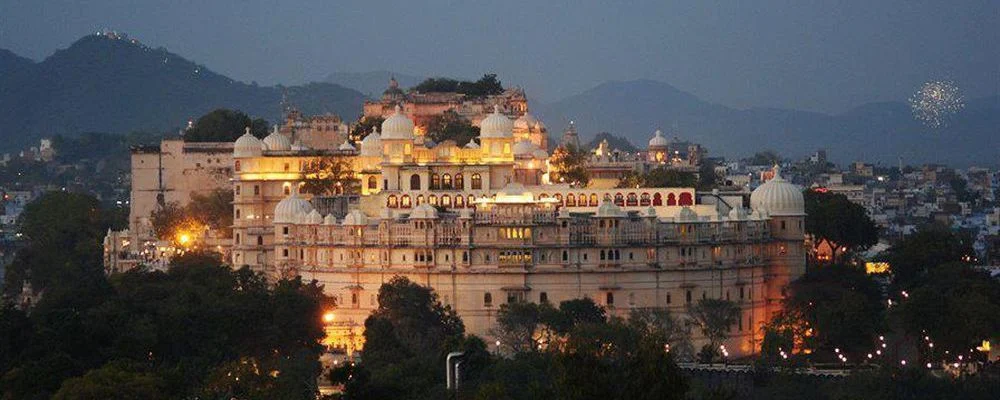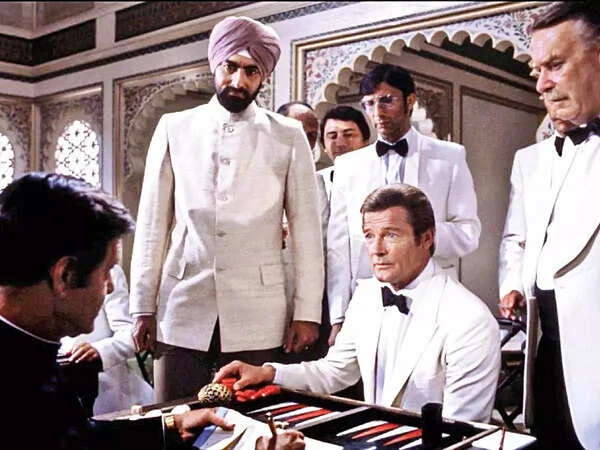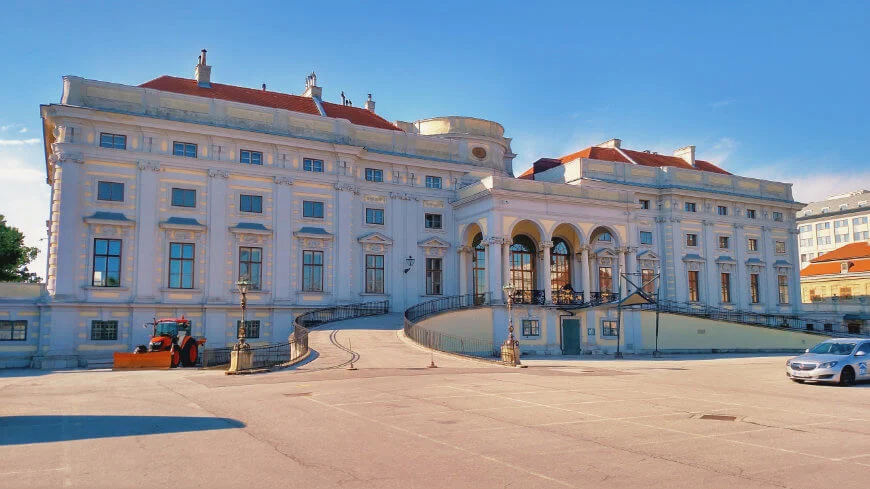
The world is not enough.
Neither is the minibar.
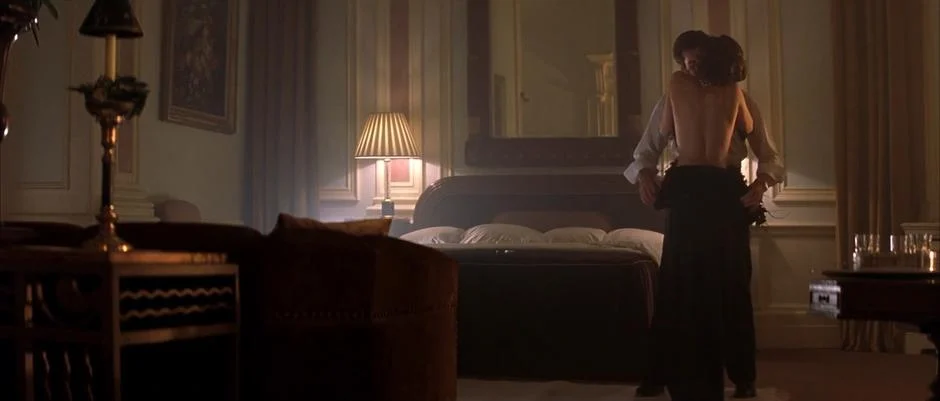
For James Bond, a hotel is never simply somewhere to sleep. It is an observation post, a trap, a stage for seduction—and a short-lived promise that the mission can wait until morning.
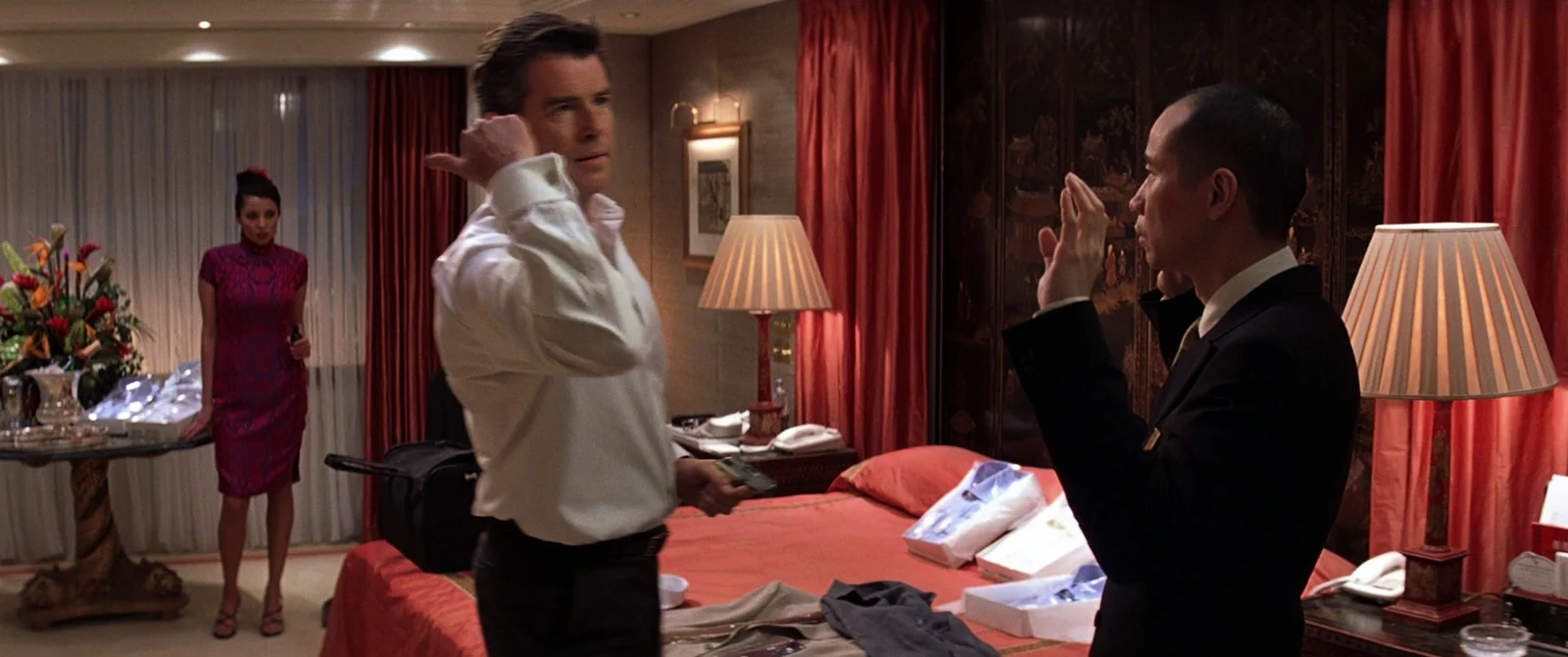
There is a particular pleasure in watching Bond arrive. The journey pauses. A porter takes the luggage; a key changes hands; a door opens onto a view we would like to claim for ourselves. For a few seconds, danger has the manners to remain outside. Then the film reminds us that privacy is a luxury even 007 cannot reliably buy.
A perfect room is a perfect trap
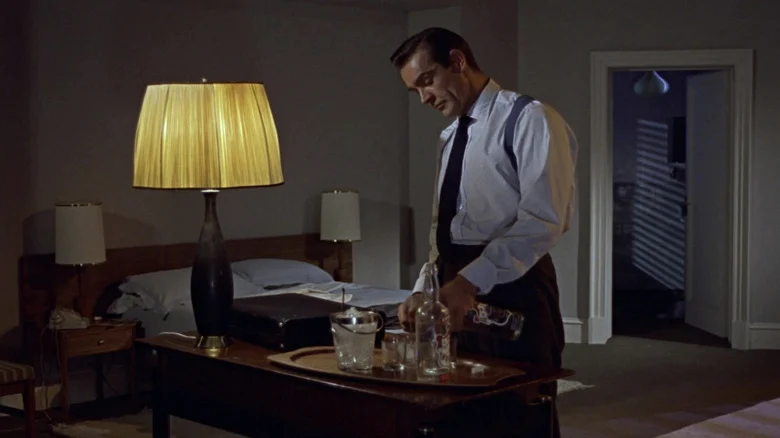
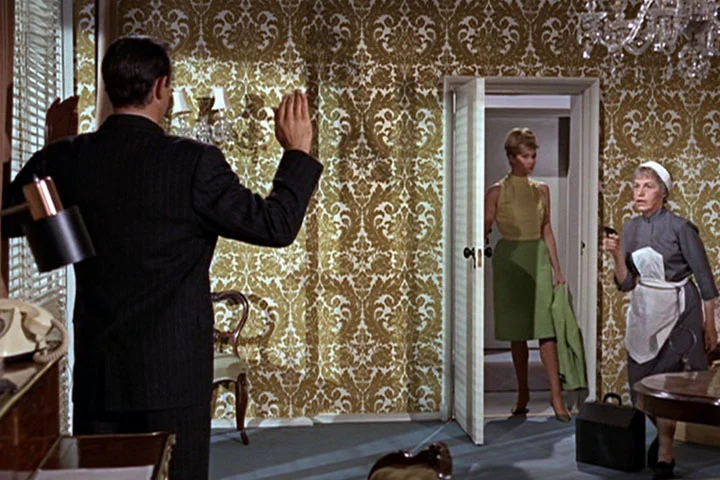
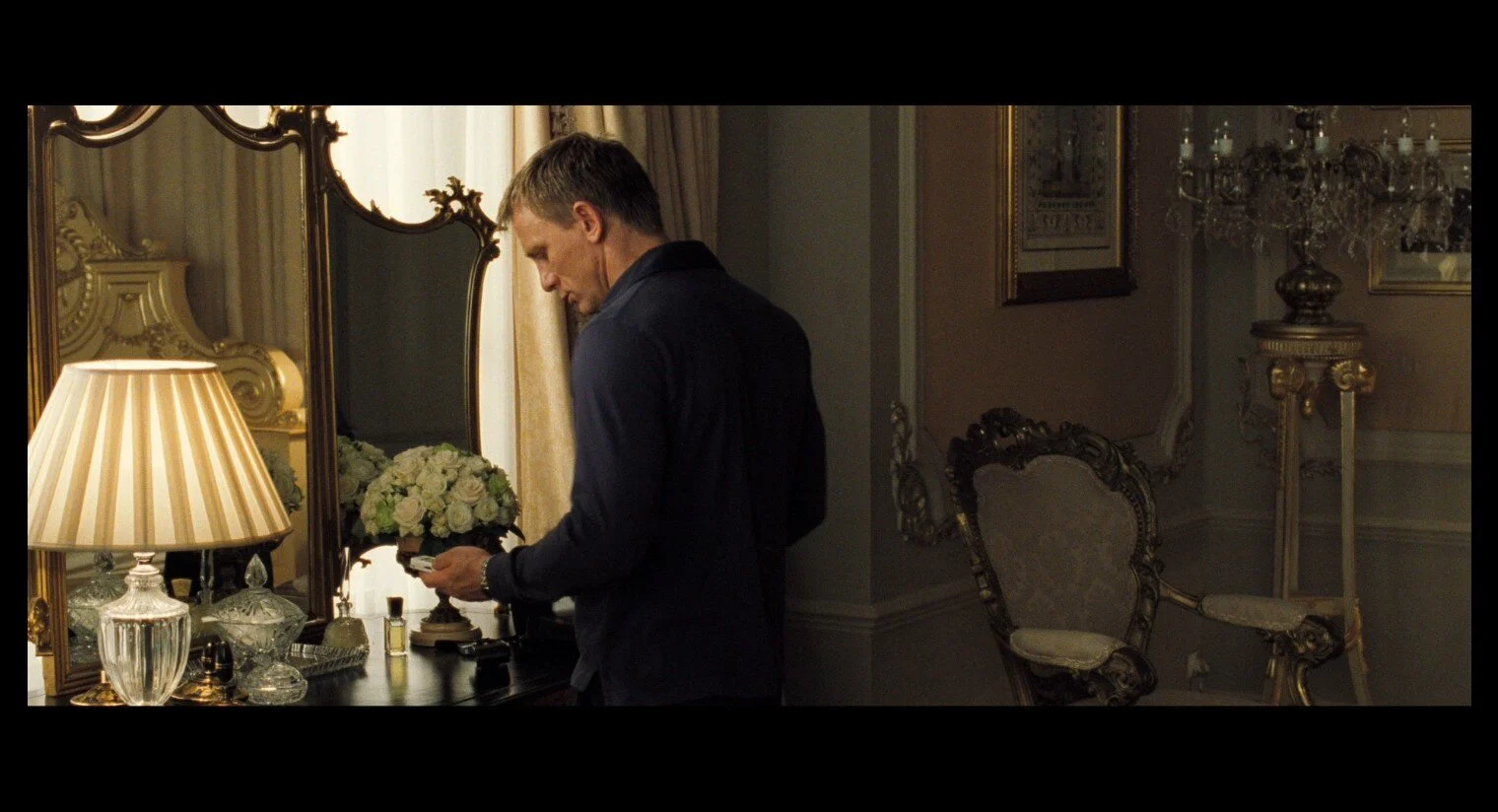
In From Russia with Love, the hotel room is part of the operation itself. Bond checks for surveillance and changes rooms, yet the apparent intimacy of the bridal suite is still manufactured for someone else’s benefit. The recurring hotel ritual tells us something essential about the character: he appreciates comfort, but he never quite believes in safety. The guest who notices the champagne also notices the door.
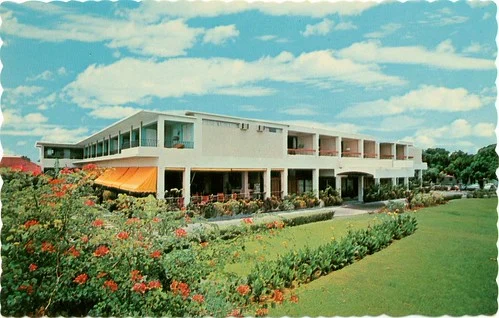
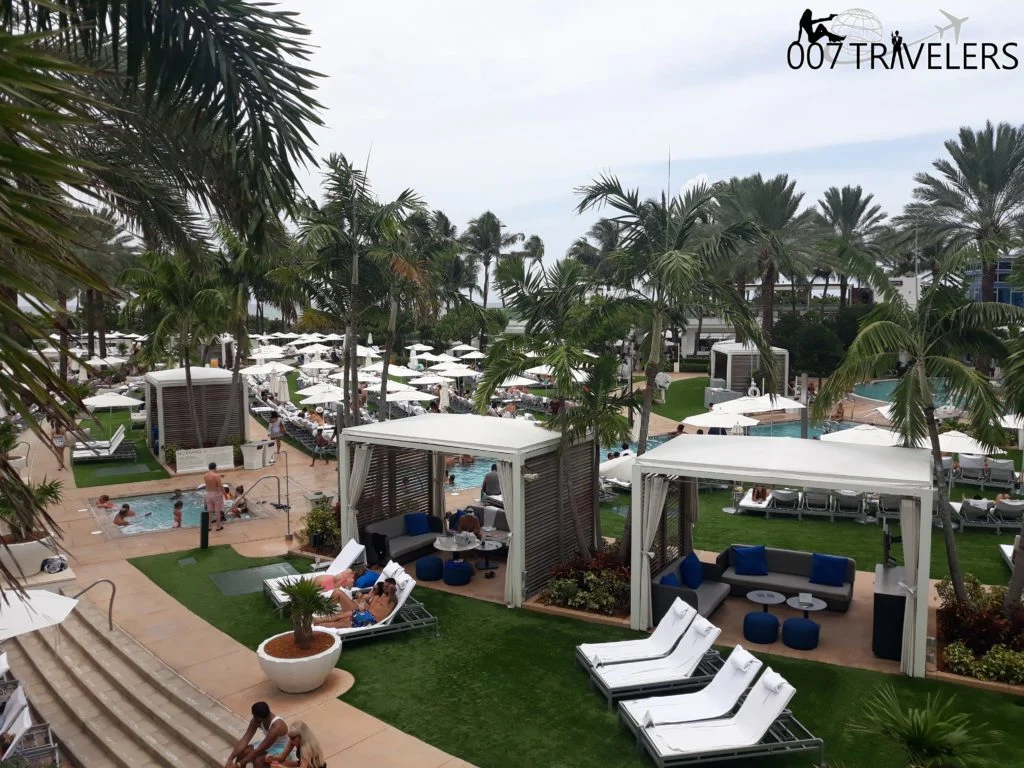
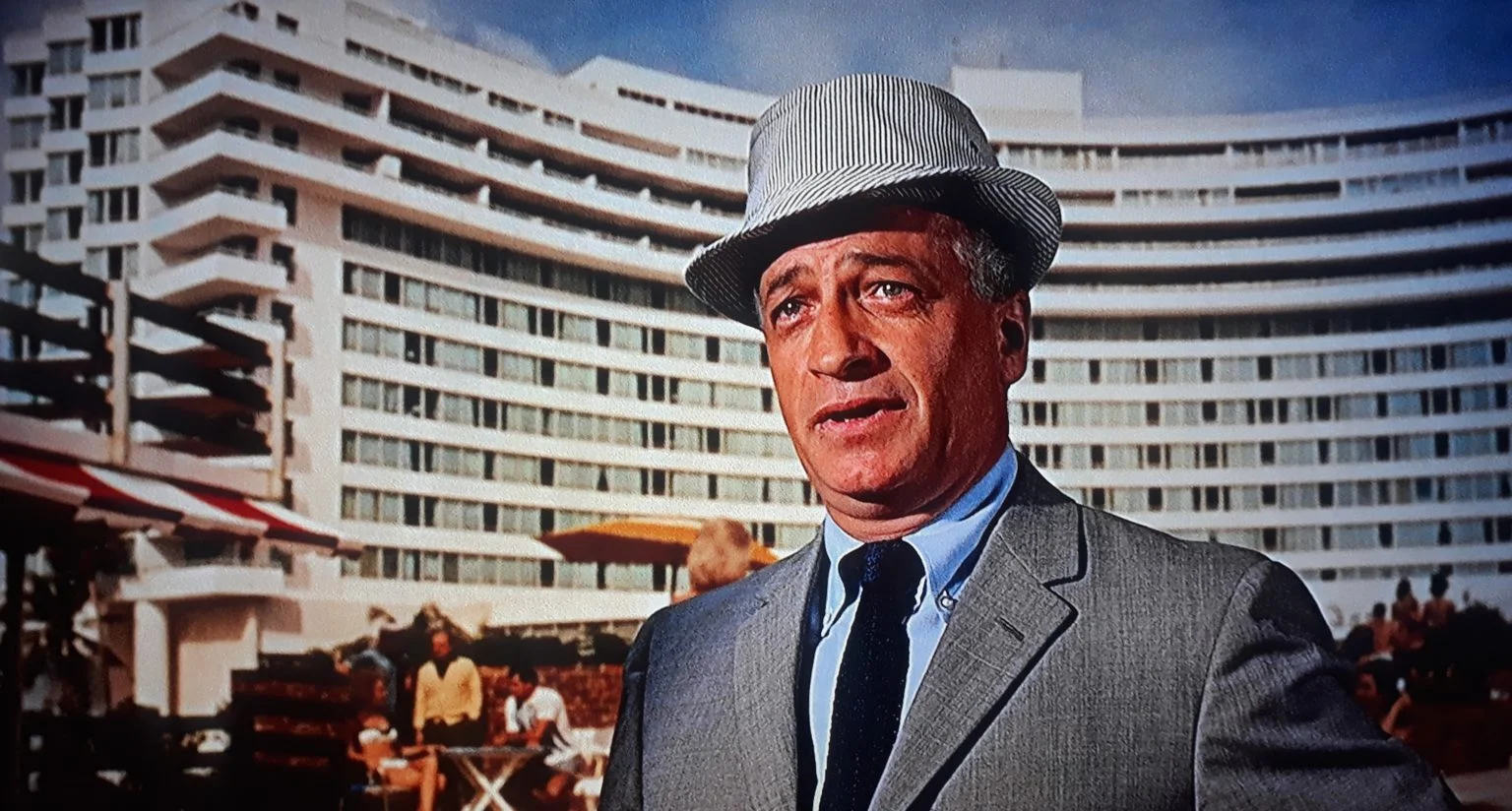
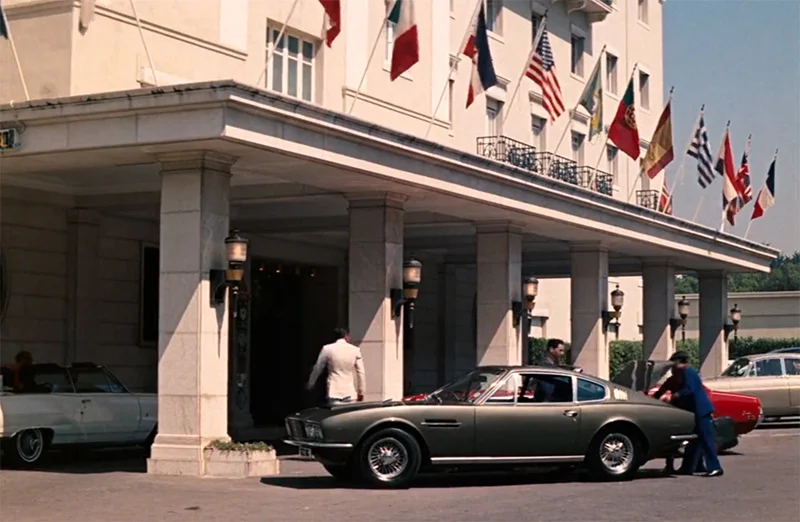
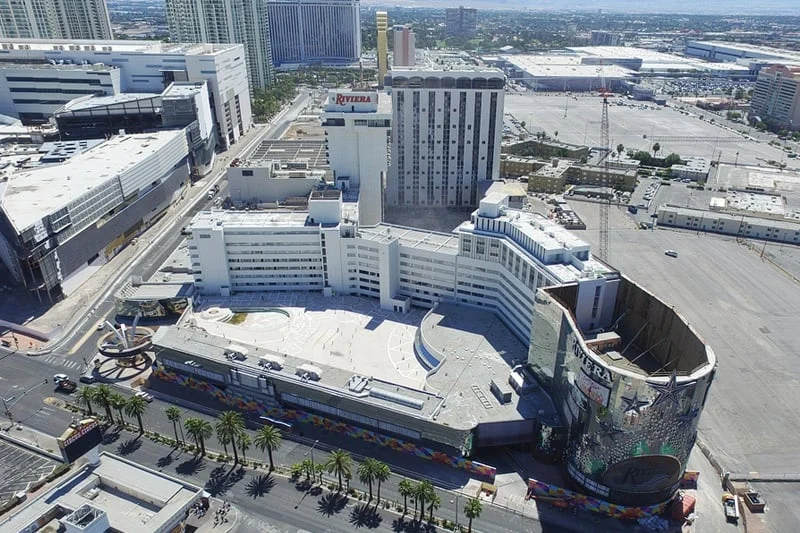
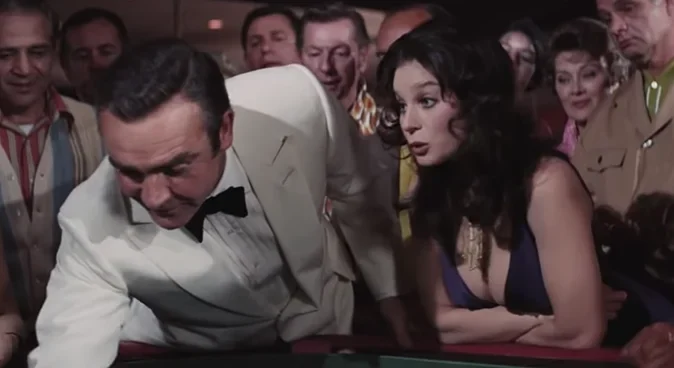
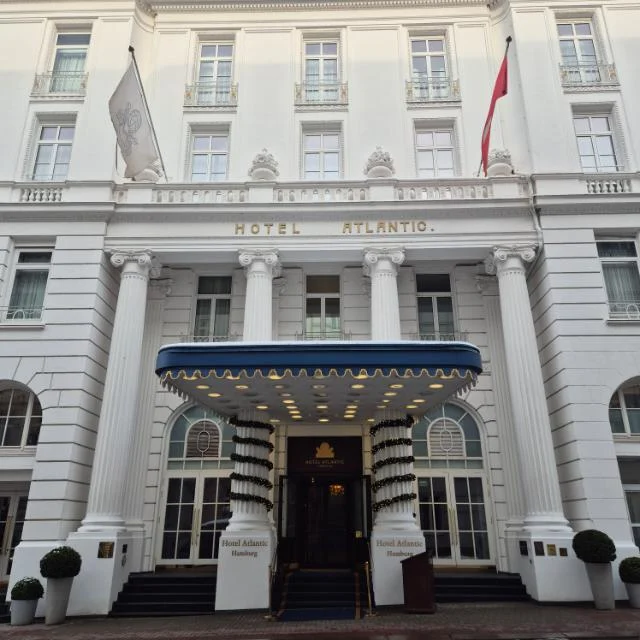
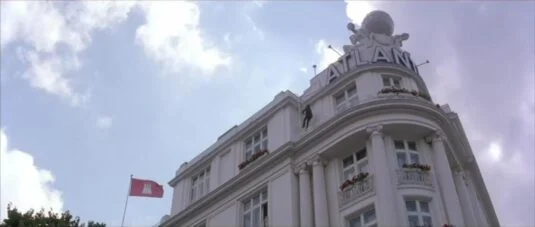
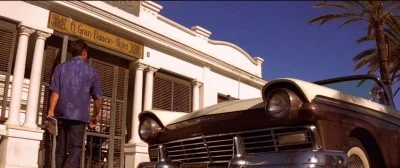
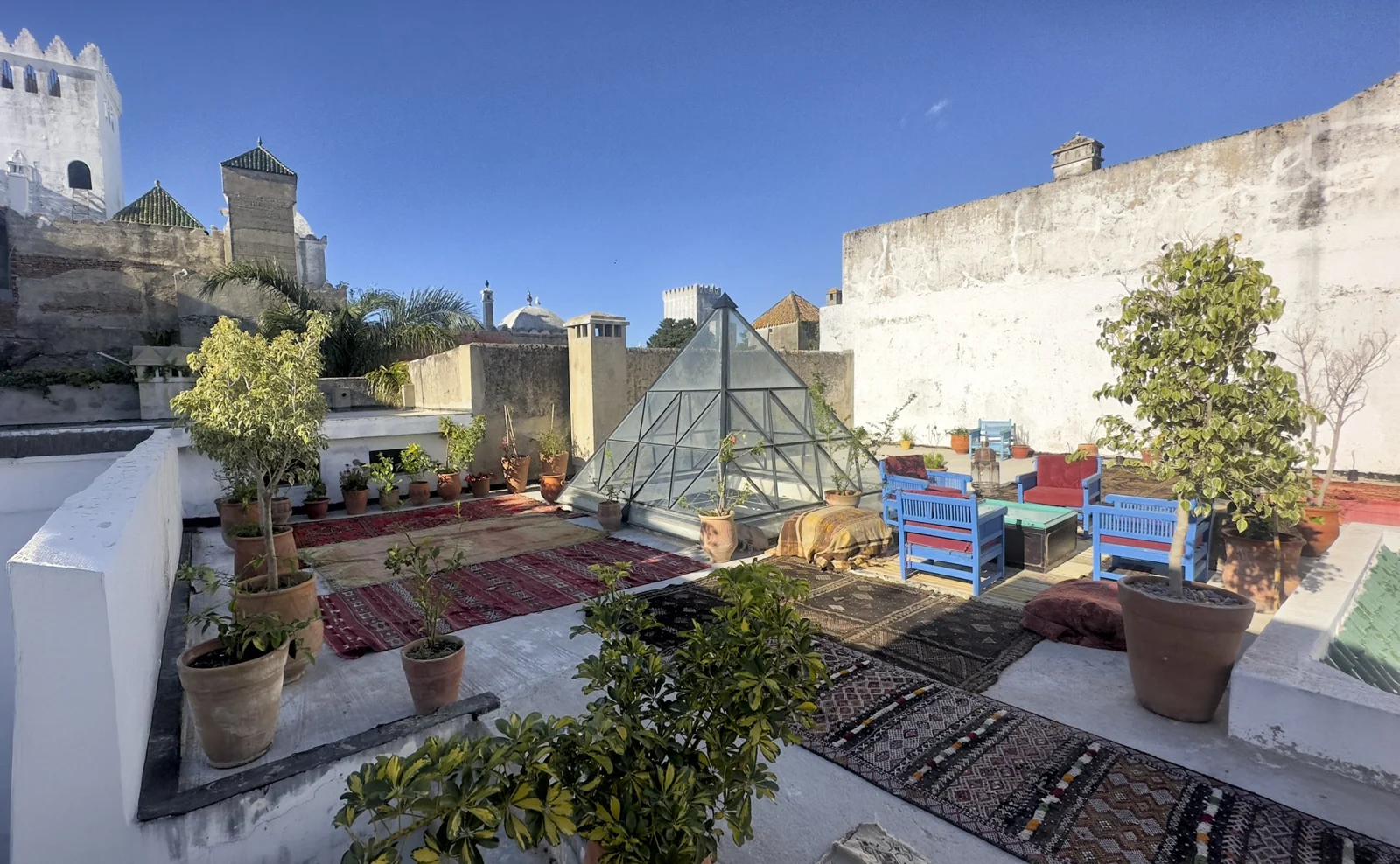
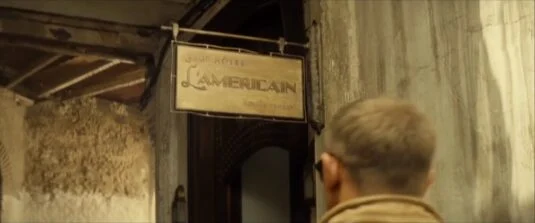
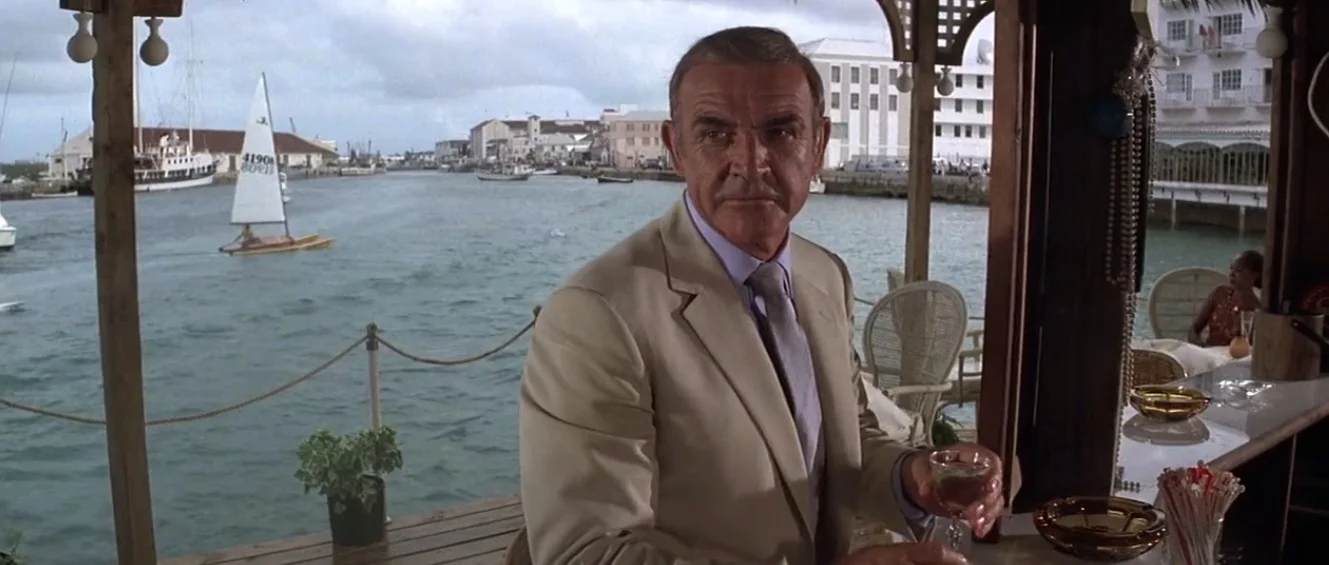
That tension makes the grand hotels more than decorative scenery. Their polished surfaces intensify what happens inside them. Goldfinger’s Miami setting begins as a vision of leisure and quickly becomes a warning. The Atlantic in Hamburg turns a reunion into a confrontation. In Tangier, an old room in L’Américain is less a retreat than a locked chapter of another man’s life. The view matters; the secret behind the wall matters more.
One check-in, several countries
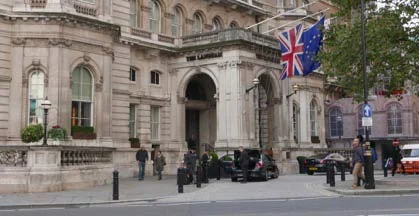
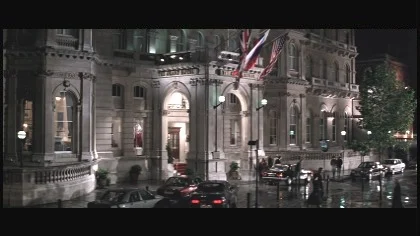
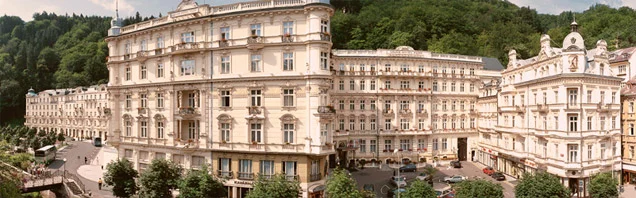
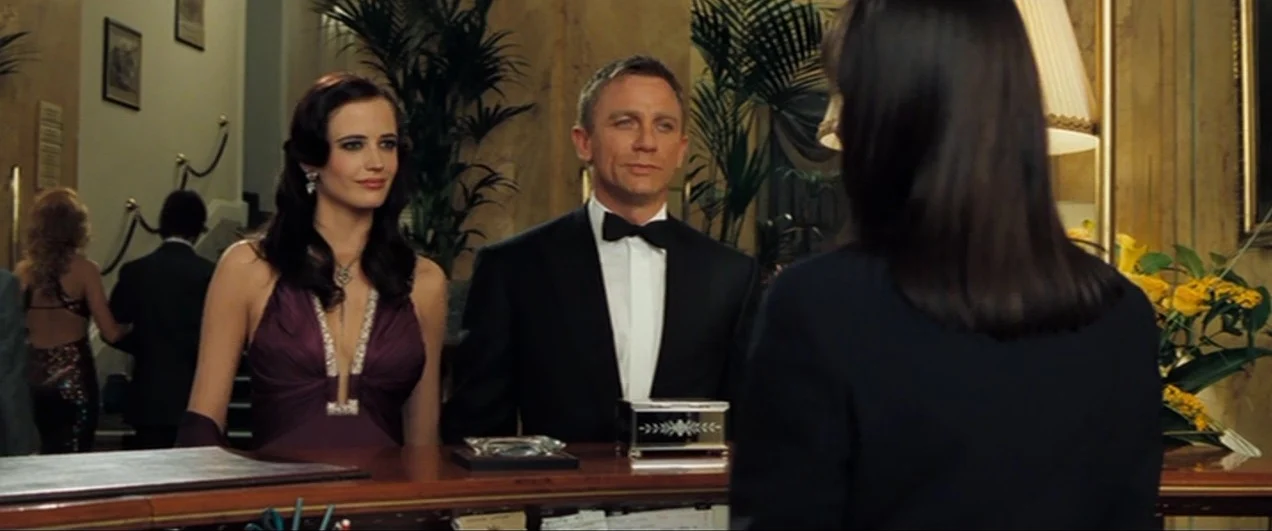
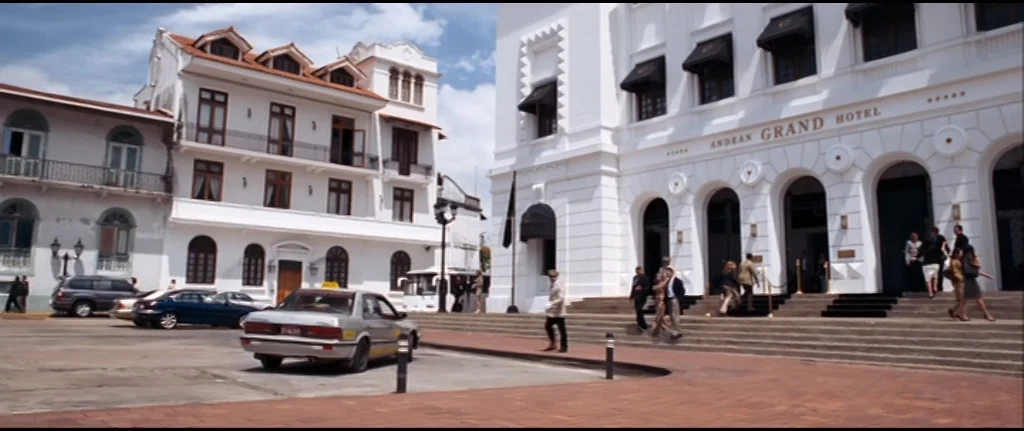
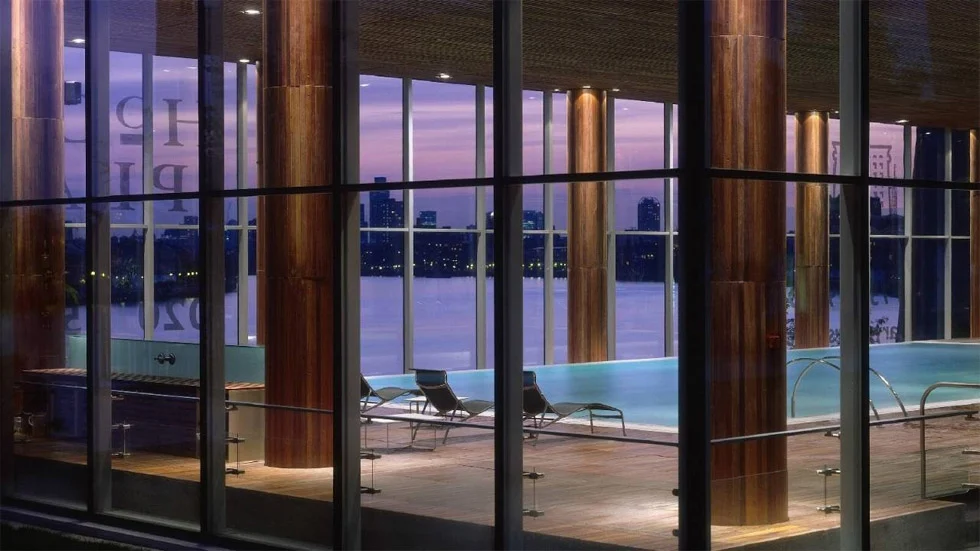
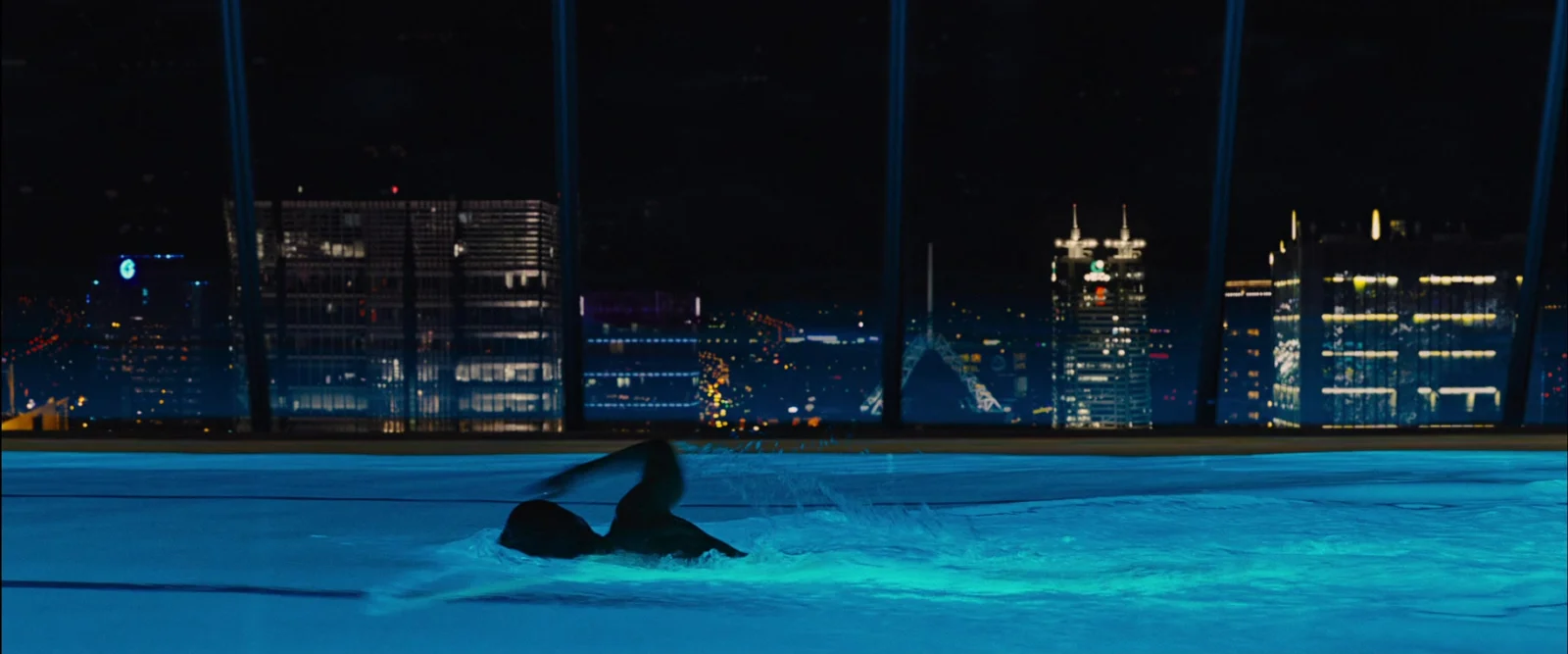
The great trick of Bond travel is that screen geography rarely respects a passport. The Hotel Splendide in Montenegro is the Grandhotel Pupp in the Czech Republic. GoldenEye’s Russian hotel wears the façade of The Langham in London. The pool associated with Bond’s Shanghai stay is beside the Thames. Editing gives these pieces a single address that no travel agent can quite reproduce.
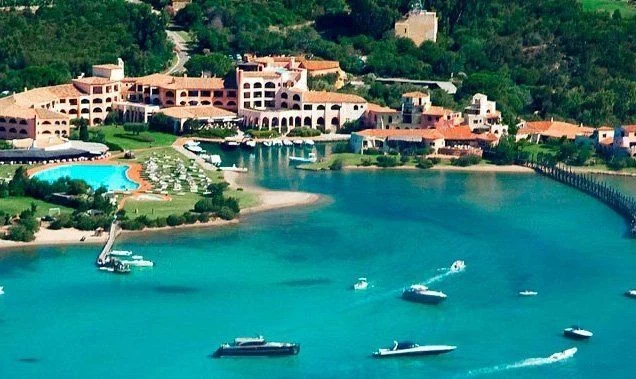
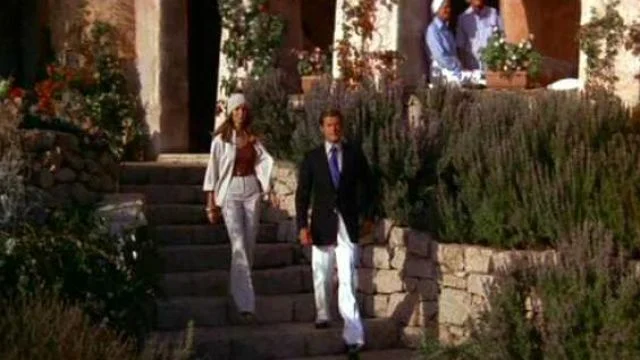
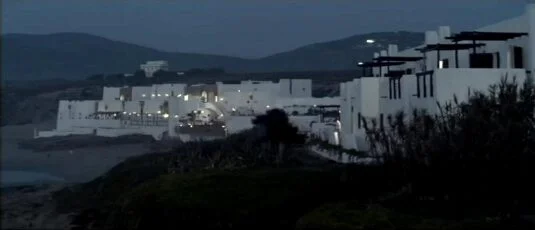
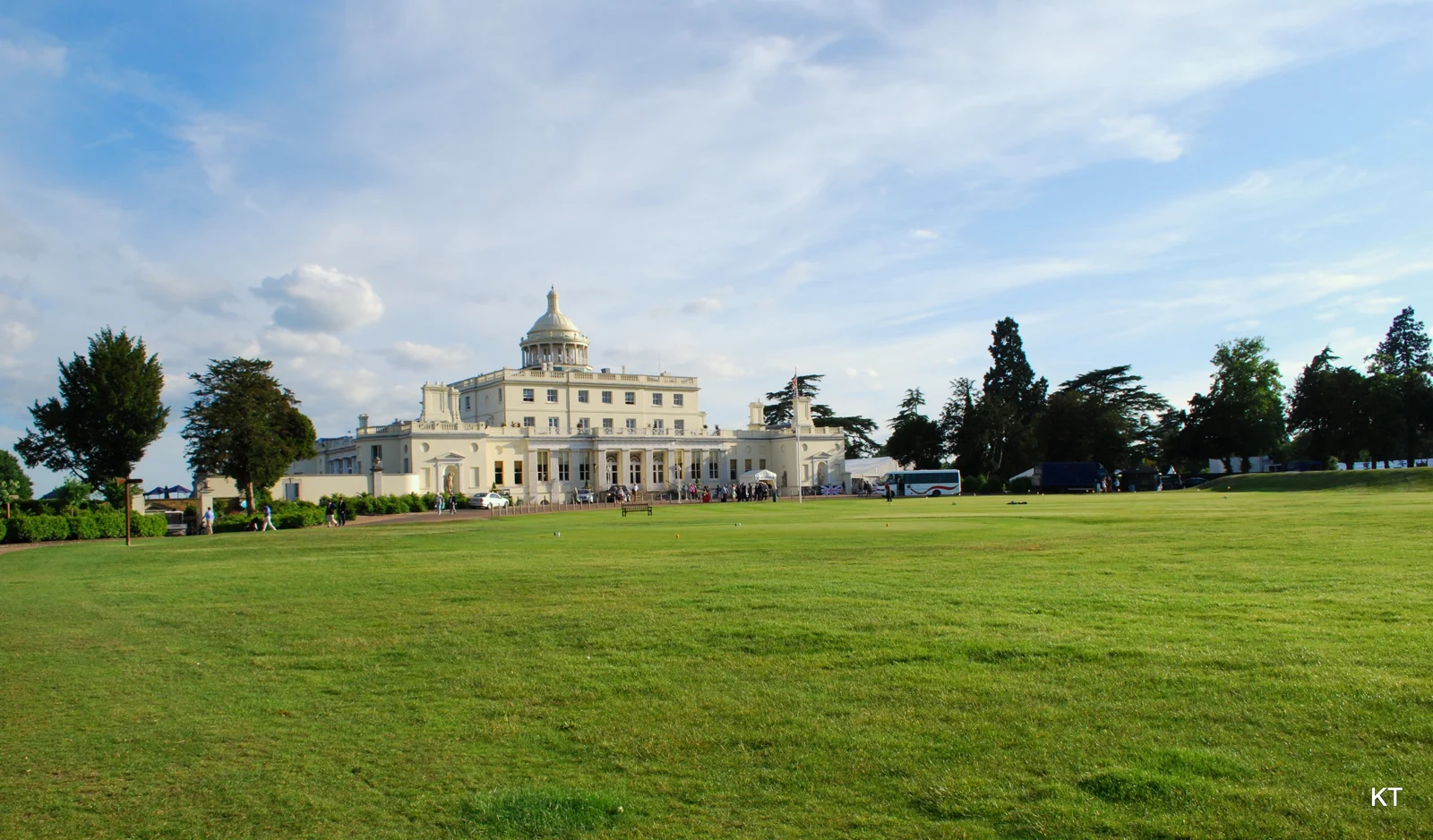
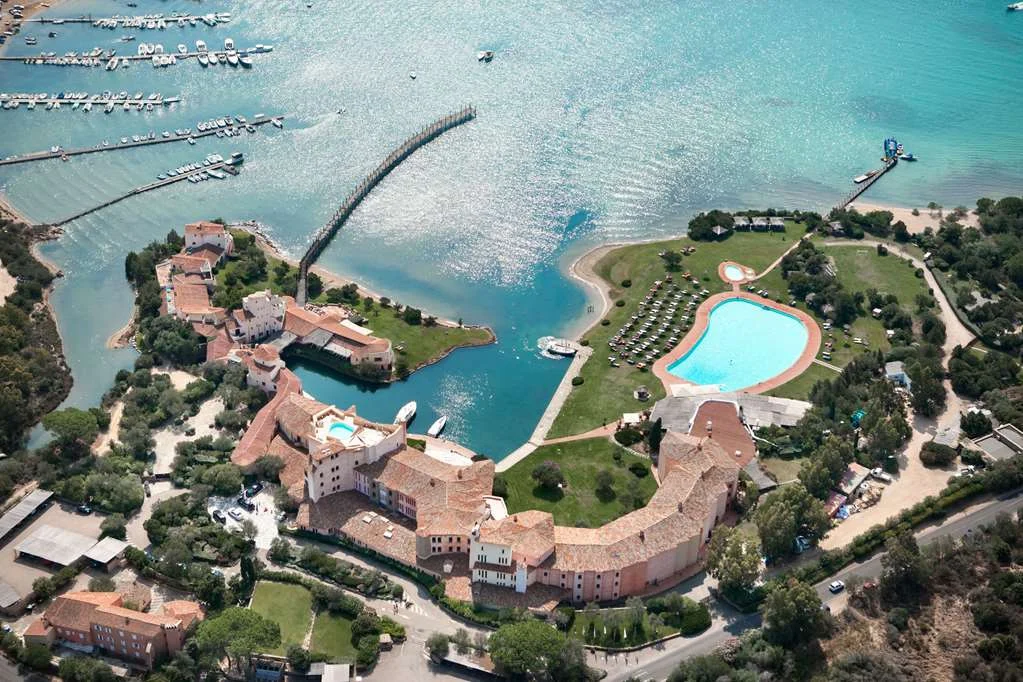
Even a hotel playing itself can be a composite. In The Spy Who Loved Me, part of Cala di Volpe’s bar becomes Bond and Anya’s suite. In Tomorrow Never Dies, the Atlantic’s Hamburg exterior is paired with interiors filmed at Stoke Park in England. A traveller can stand at the right entrance and still be thousands of kilometres from the room remembered from the film.
A room in the story.
A place on the map.
Not always the same address.
From performance to refuge
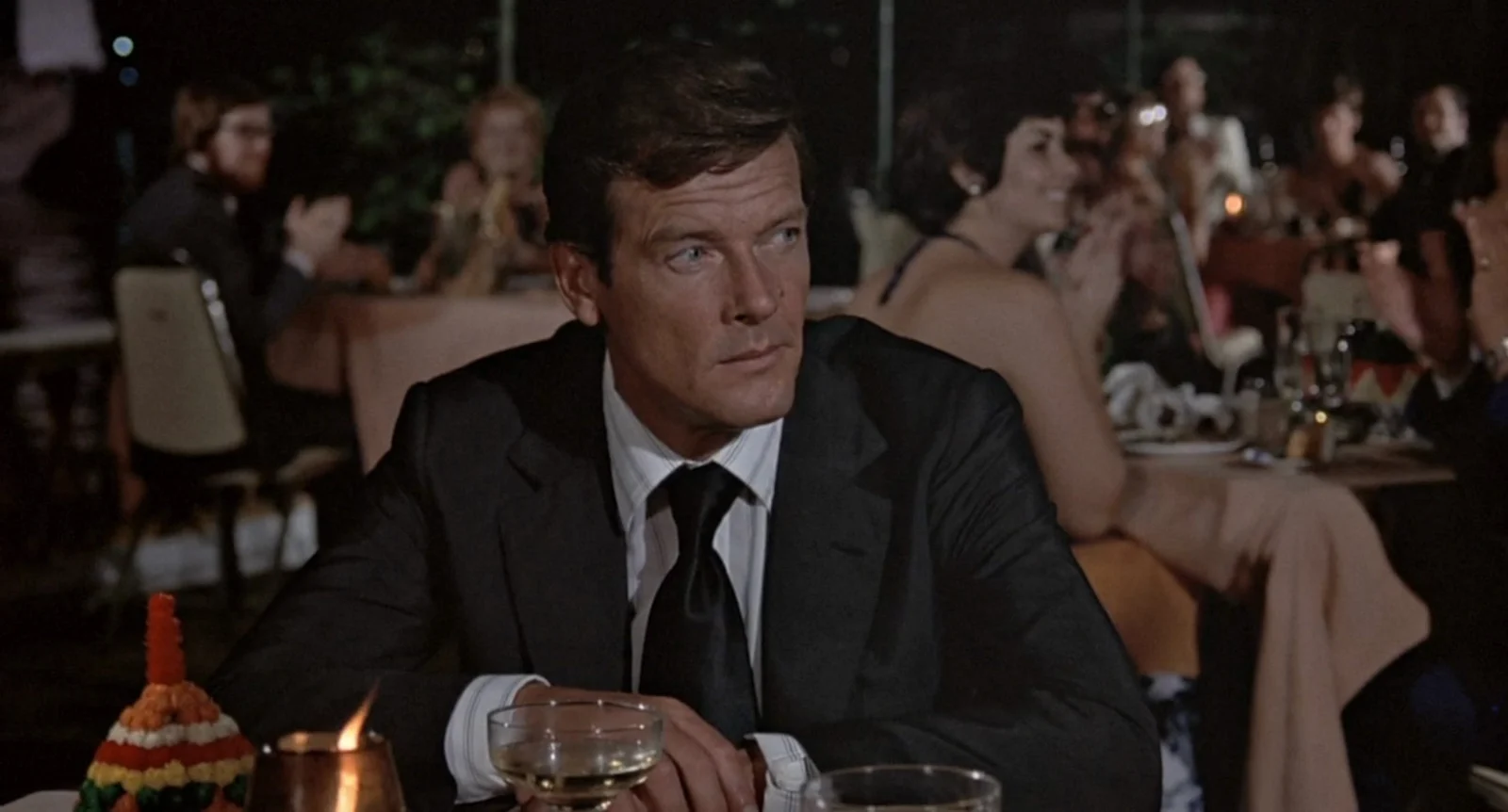
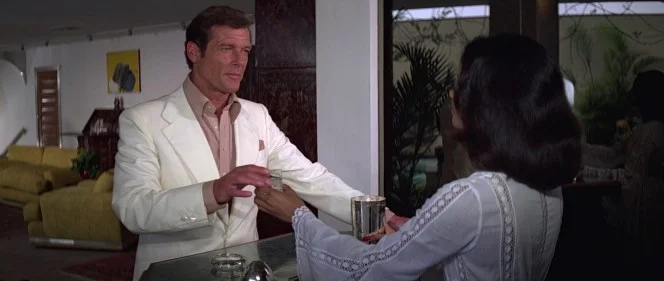
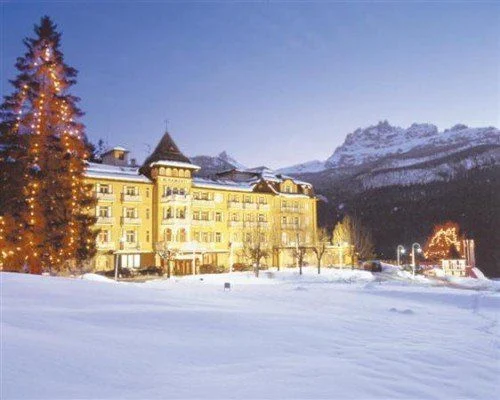
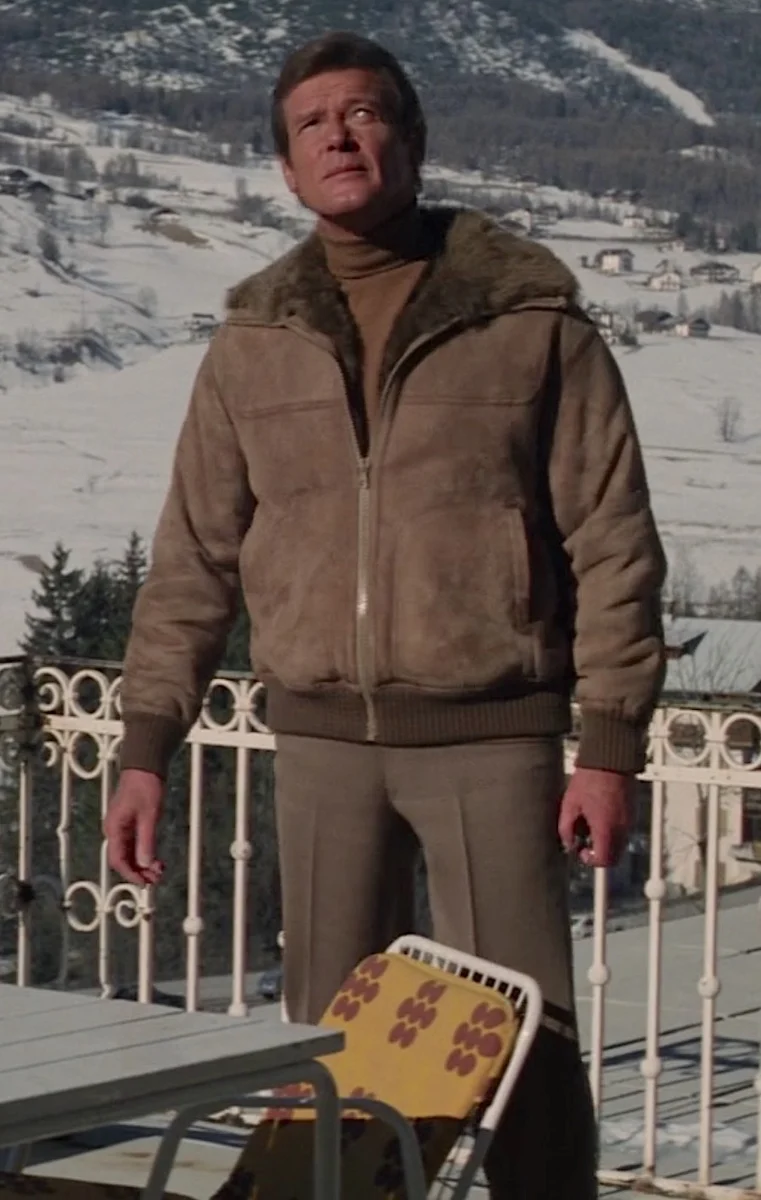
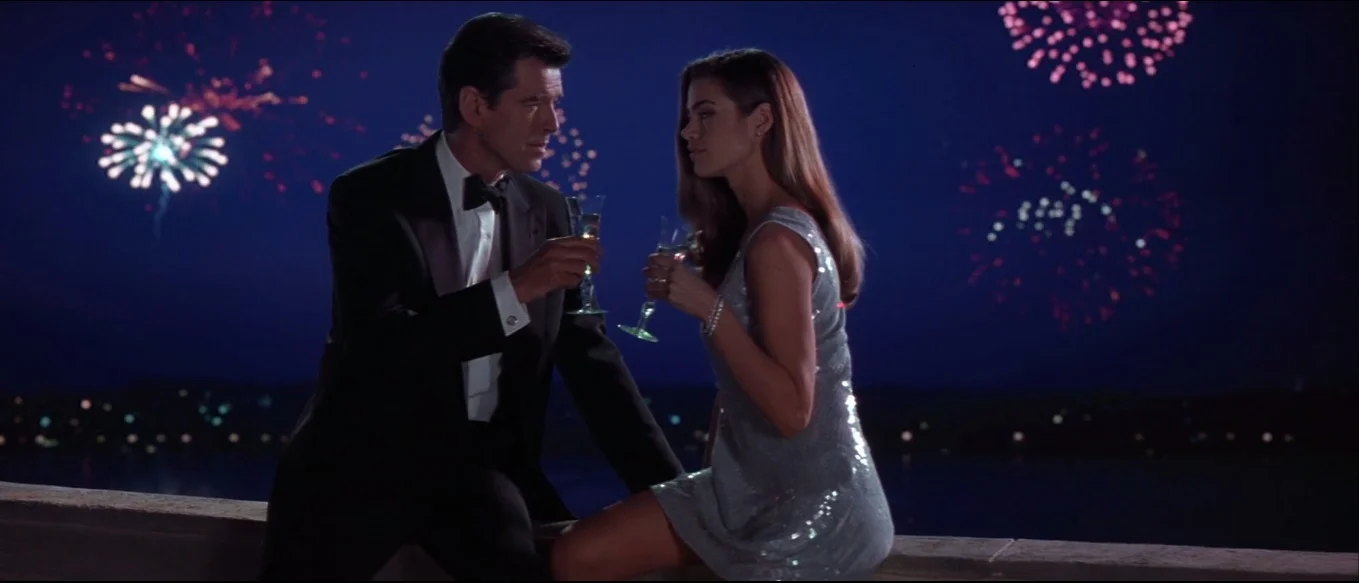
Across the different Bonds, the hotel also changes emotional register. Roger Moore’s itinerary treats arrival as an art: a seaside resort, a palace, a balcony beneath the Dolomites. The scenery gives his composure something to play against. A beautiful room is an extension of the performance, even when the mission has already followed him inside.
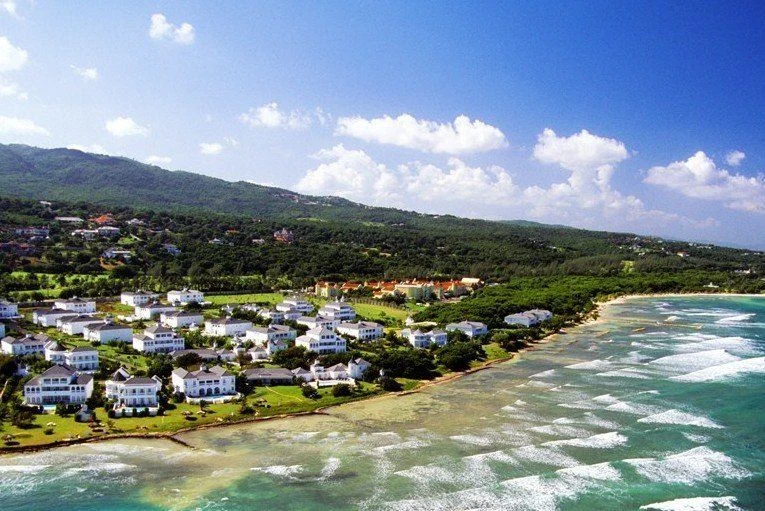
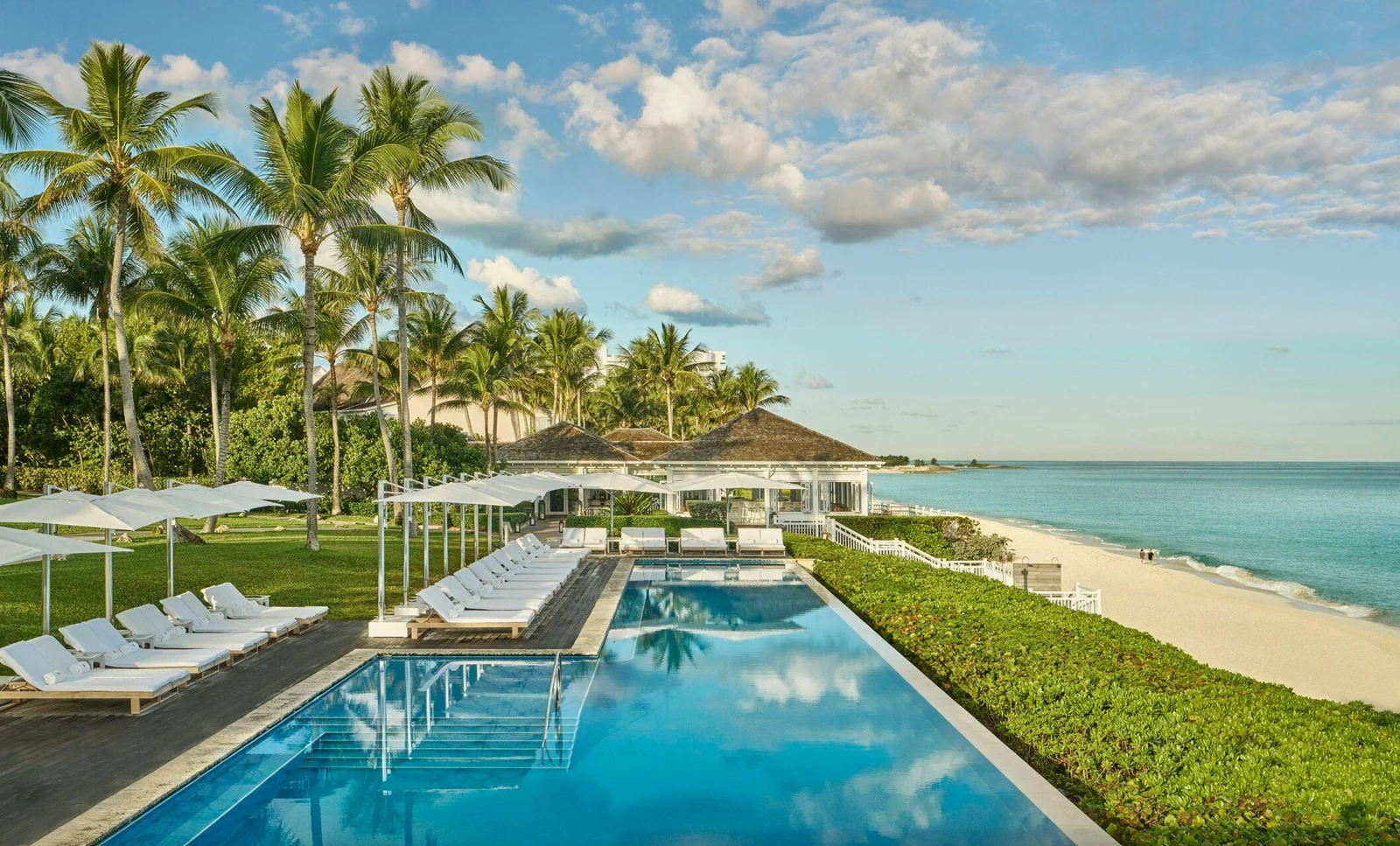
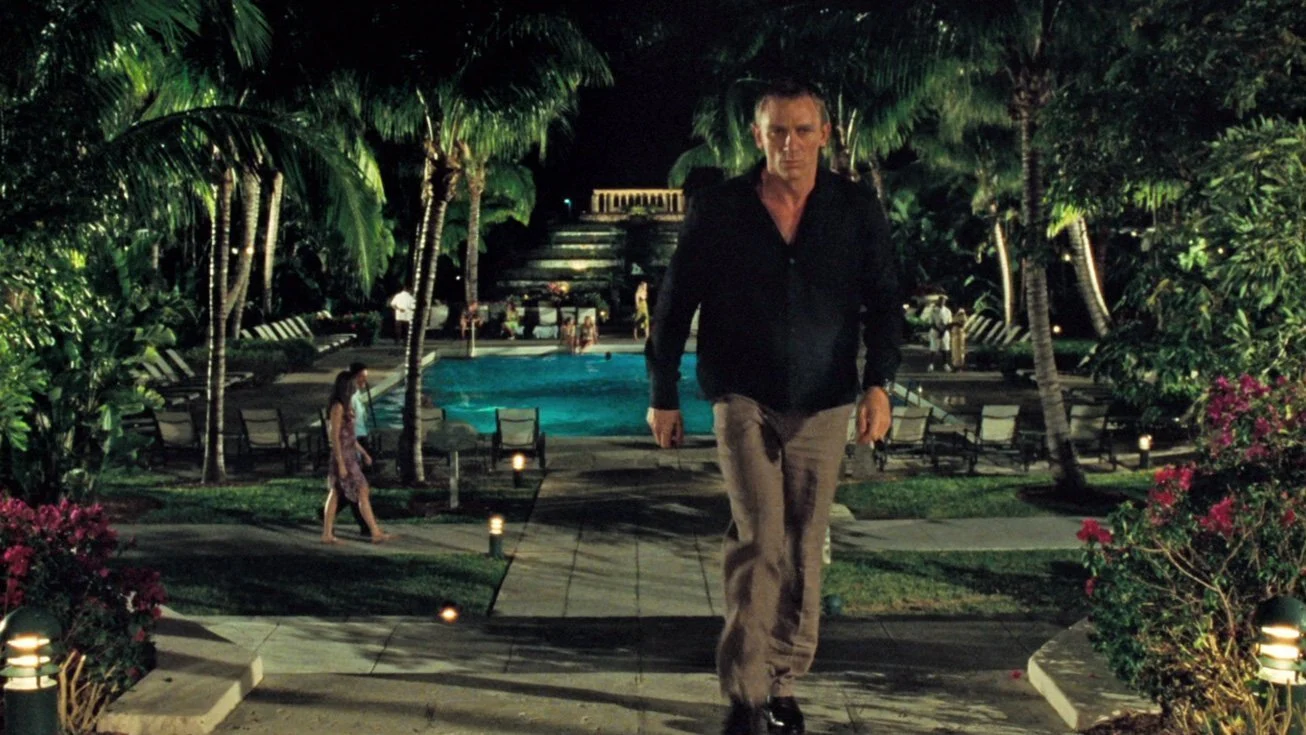
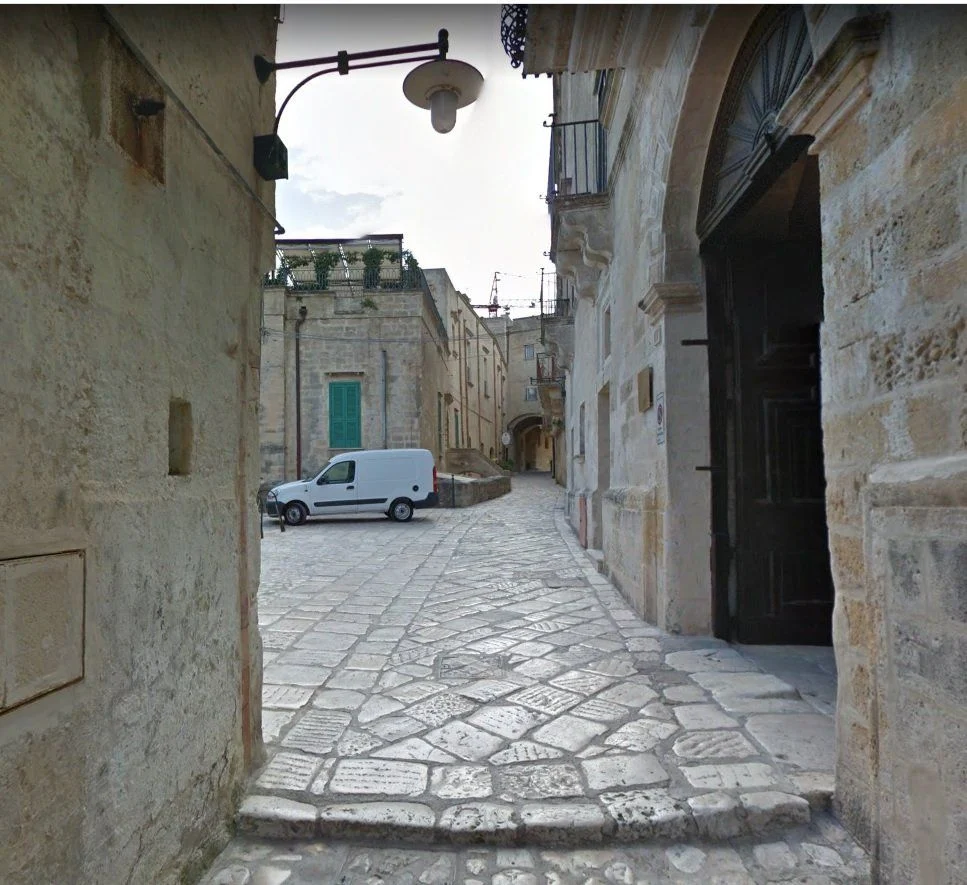
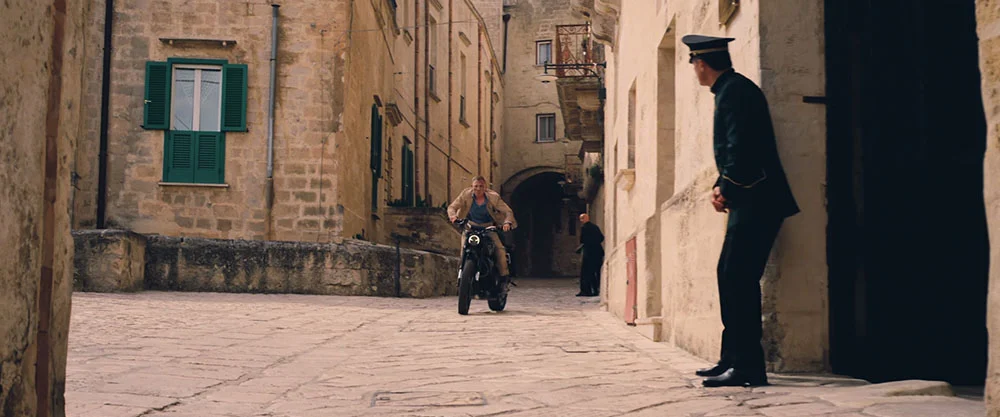
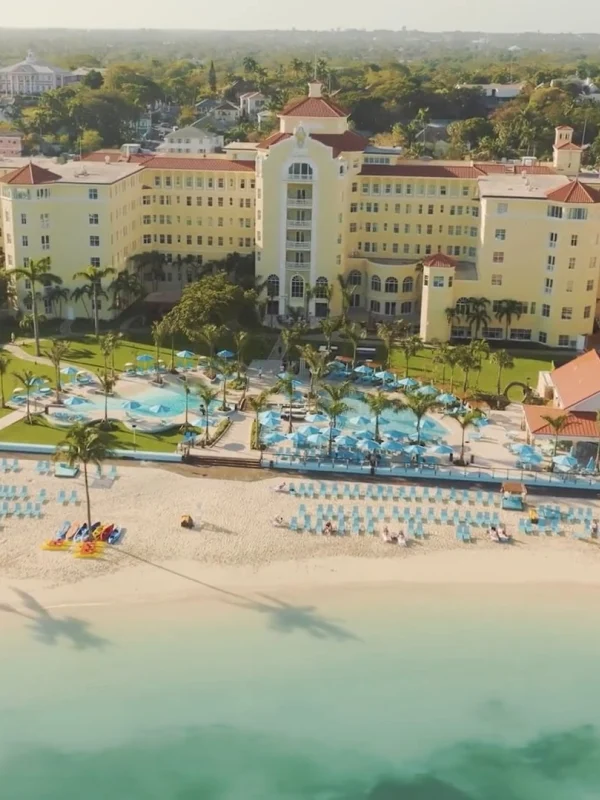
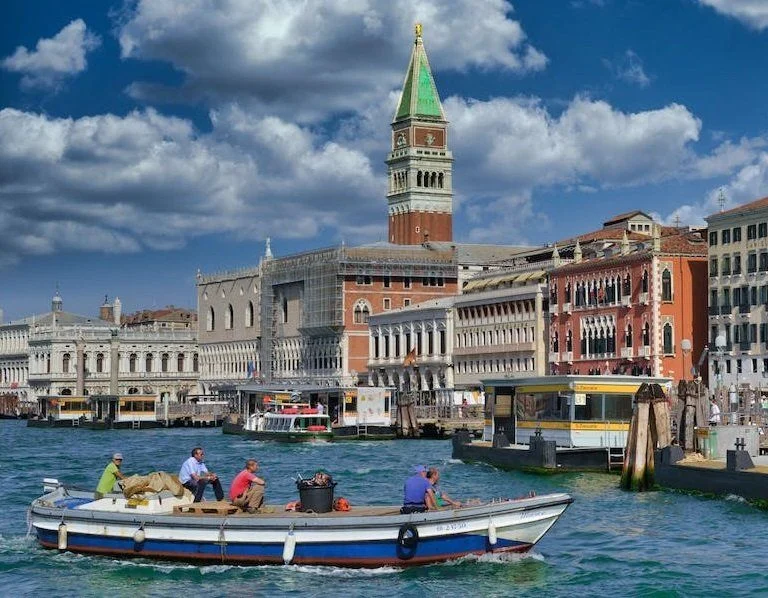
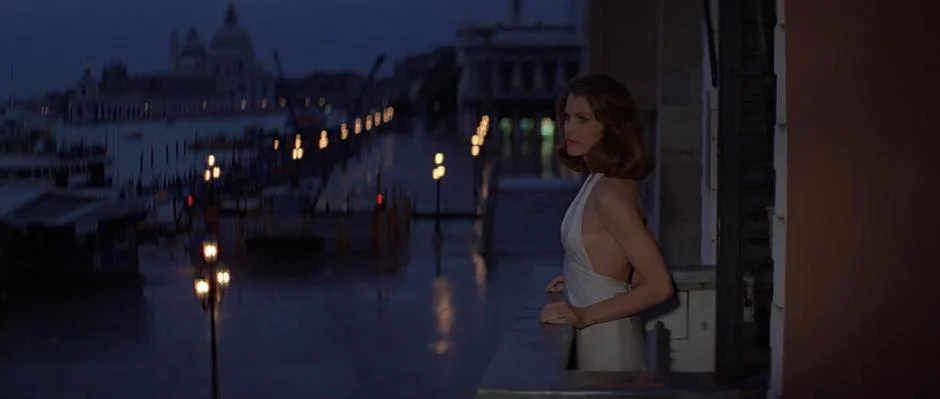
Daniel Craig’s rooms can feel more provisional. The Ocean Club and Grandhotel Pupp still offer the pleasures of Bond travel, but the quieter hotel scenes ask whether he could ever stay somewhere without being on an assignment. Venice with Vesper and Matera with Madeleine turn the room into a possibility: perhaps the door could close on the old life. The films make that possibility moving precisely because it is so difficult to sustain.
Travel with the fiction intact
The best way to follow this itinerary is to enjoy both versions of the place. Look at the actual building, then look again through the film. Notice what was borrowed, what was invented and what has changed. The hotel does not have to preserve every carpet and curtain to hold a powerful memory of the scene.
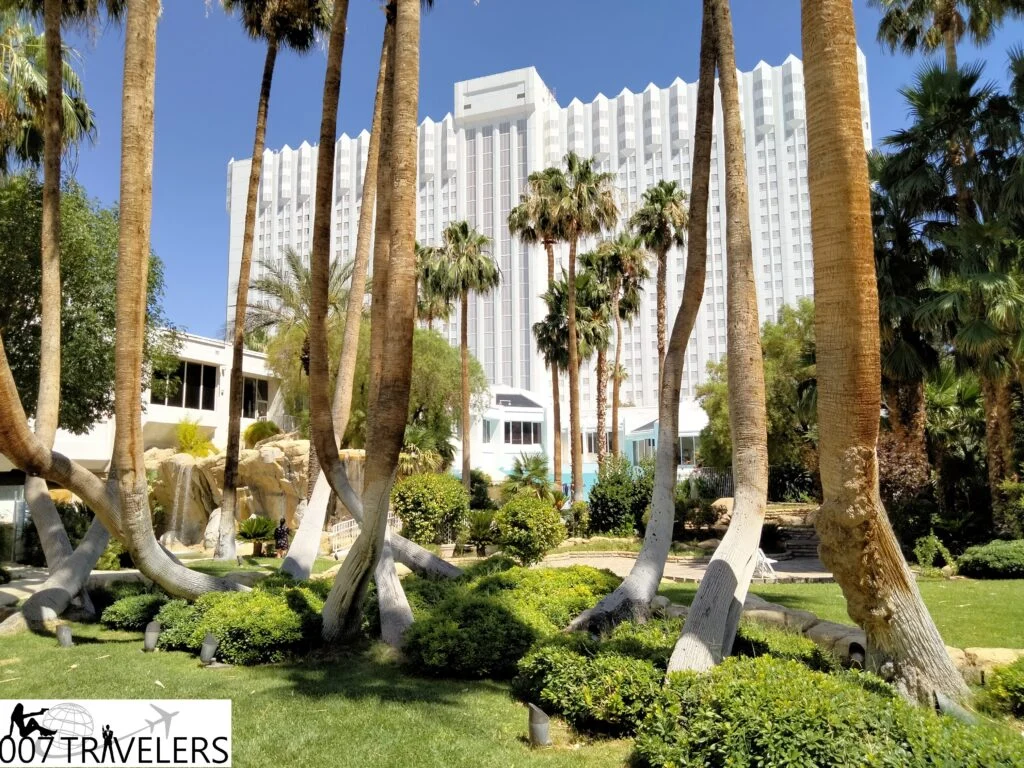
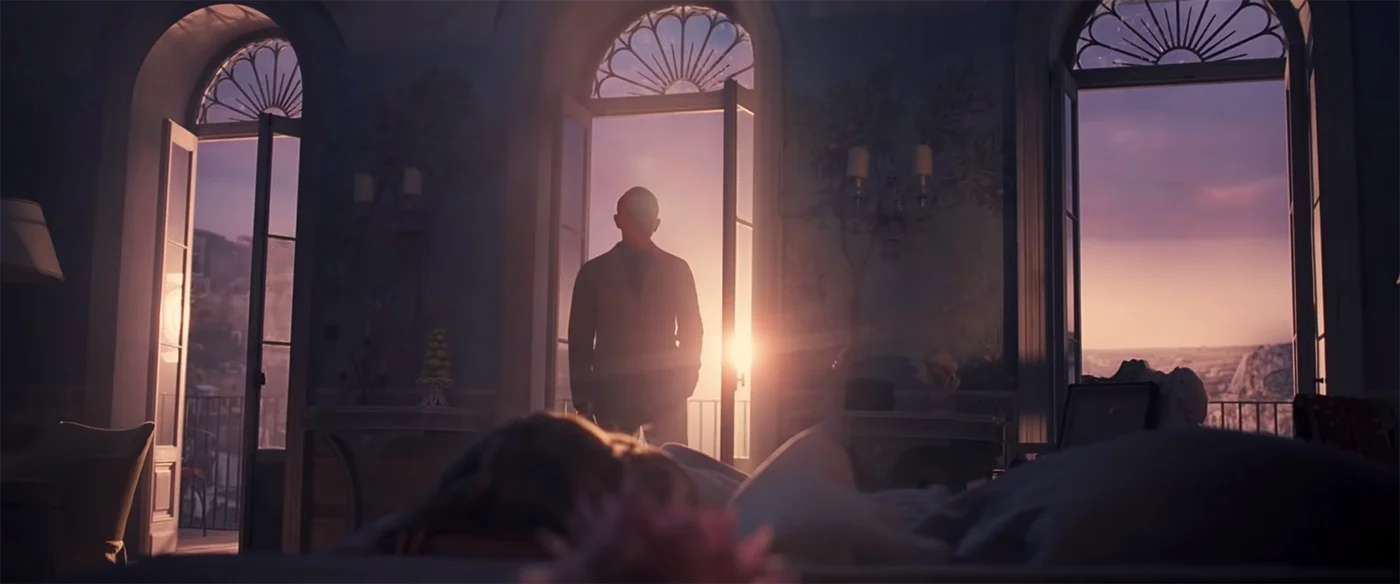
Some addresses have disappeared. Courtleigh Manor and the Tropicana belong to the archive. Other enticing rooms never existed as accommodation at all: the Matera suite was built for the production. That is not a reason to abandon the journey. It is a reason to be precise about what you are going to see.
So consider this a guest book with annotations. It brings together the documented screen stays, explains the doubles and keeps uncertain addresses visible as uncertain. Book the real hotel if it appeals to you. Visit the location if that is what survives. And when someone promises “Bond’s exact suite”, ask the most useful question in this atlas: which part of it?